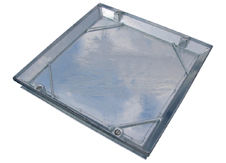
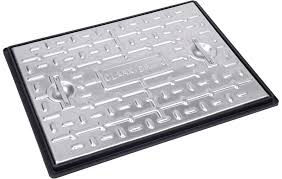
600x450mm Solid Top Galvanised Double Seal Manhole Cover and Frame
The 600 x 450mm Solid Top Galvanised Double Seal Manhole Cover and Frame is a high-performance, weather-resistant access solution engineered for internal or external locations where strict odor and moisture control are required. Featuring a 600mm by 450mm clear opening, this solid top unit provides a secure, flush-fitting cover for sub-surface inspection chambers, drainage junction boxes, and utility pits situated near buildings or within pedestrian areas.
Manufactured from high-grade structural steel and finished with a protective hot-dip galvanised coating, this assembly offers exceptional resistance to rust, corrosion, and environmental weathering. The key feature of this unit is its precision-engineered double-seal system, which utilizes a dual-tongue and groove channel packed with grease or sealing compound to effectively block unpleasant subterranean gases, foul odors, and surface water ingress from escaping into surrounding areas.
Engineered for straightforward installation by contractors and groundworkers, the low-profile frame features an integrated anchor flange for secure embedding into concrete or mortar surrounds. Whether you are finishing a commercial drainage project, managing indoor utility access, or sealing a chamber near a residential property boundary, this professional-grade galvanised steel manhole cover delivers long-term structural integrity, airtight reliability, and a clean, flush-fitting finish.
SOLID TOP COVER & FRAME
| Application: | Pedestrian areas |
| Loading: | 5 Tonne Gross Plated Weight |
| Lifting Key: | Integral |
| Product Features | |
| Cover | Solid top. Galvanised steel. |
| Frame | Black polypropylene. |
| Seal | Rubber gasket. |
| Locking | 4 S/S screws. |
| Lifting | Fitted with integral lifting handles. |
| External Dimensions: | 663 (L) x 513 (W) x 30 (H) |
| Clear Opening: | 600 (L) x 450 (W) |